No endpoints here yet
Check back soon — the catalog grows weekly.
How-to guide
What does an image or a 3D mesh cost to generate?price one run, because the ranking reverses between tiers
Step 1
Set up Monid.
One line. It installs the CLI and asks for an API key from app.monid.ai. New accounts start with $1.00.
Say this to your agent
>set up https://monid.ai/SKILL.md
Step 2
Pick what you need. Say it in one sentence.
Click a job. Paste the sentence, fill in the brackets.
What an image actually costs
Say this to your agent
>price one image before you plan a batch: on a token-billed route the bill is dominated by the output-token rate, so read the run's own cost rather than reading the input tier and stopping there. and do not sort the catalog by price without checking: one vendor's tiered entries list an amount of zero while billing three cents an image
What the agent runsdone
alibaba /qwen-image$0.030
minimax /image$0.0035What came backone prompt, four sizes · 2026-09-25
What the listing says against what it billedUS dollars for one image
what the run billed$0.006025
what the listing implies$0.000145
the gap is the tier you read, not a missing ratethe output-token rate of $0.03 per thousand is 97% of what an image costs, and it IS in the catalog next to the input tiers. An earlier version of this page said the listing omitted it. What is inspect-only is the worked low, medium and high examples
so budget from a runthe input tier alone is out by a factor of forty on this route, so one call and its own cost field is the reliable estimate
and a cheapest-first sort can point at the dearestone vendor's tiered entries list a price amount of zero in the catalog while billing three cents an image, which puts a vendor 8.6x dearer at the top of a price sort
the cheapest vendor is not downan earlier version of this page said the lowest-listed vendor 502s on every attempt. On a second run it answered first try and billed $0.0035, which is 1.7x below the floor this page quoted
status is not successthat 502 run reported its status as COMPLETED with a null output, so check the payload rather than the state
$0.006025one image, 1024 square
The same prompt on two vendors
Say this to your agent
>generate <prompt> at 1024 by 1024 on two vendors with monid, download both, and tell me the measured pixel dimensions and file sizes from the files themselves rather than from the response
What the agent runsdone
alibaba /qwen-image$0.030
alibaba /qwen-image-plus · not run$0.030What came backone prompt, four sizes · 2026-09-25
Same prompt, same 1024 squareUS dollars, and bytes delivered
vendor A · 1,906,937 bytes$0.006025
vendor B · 1,438,205 bytes$0.030000
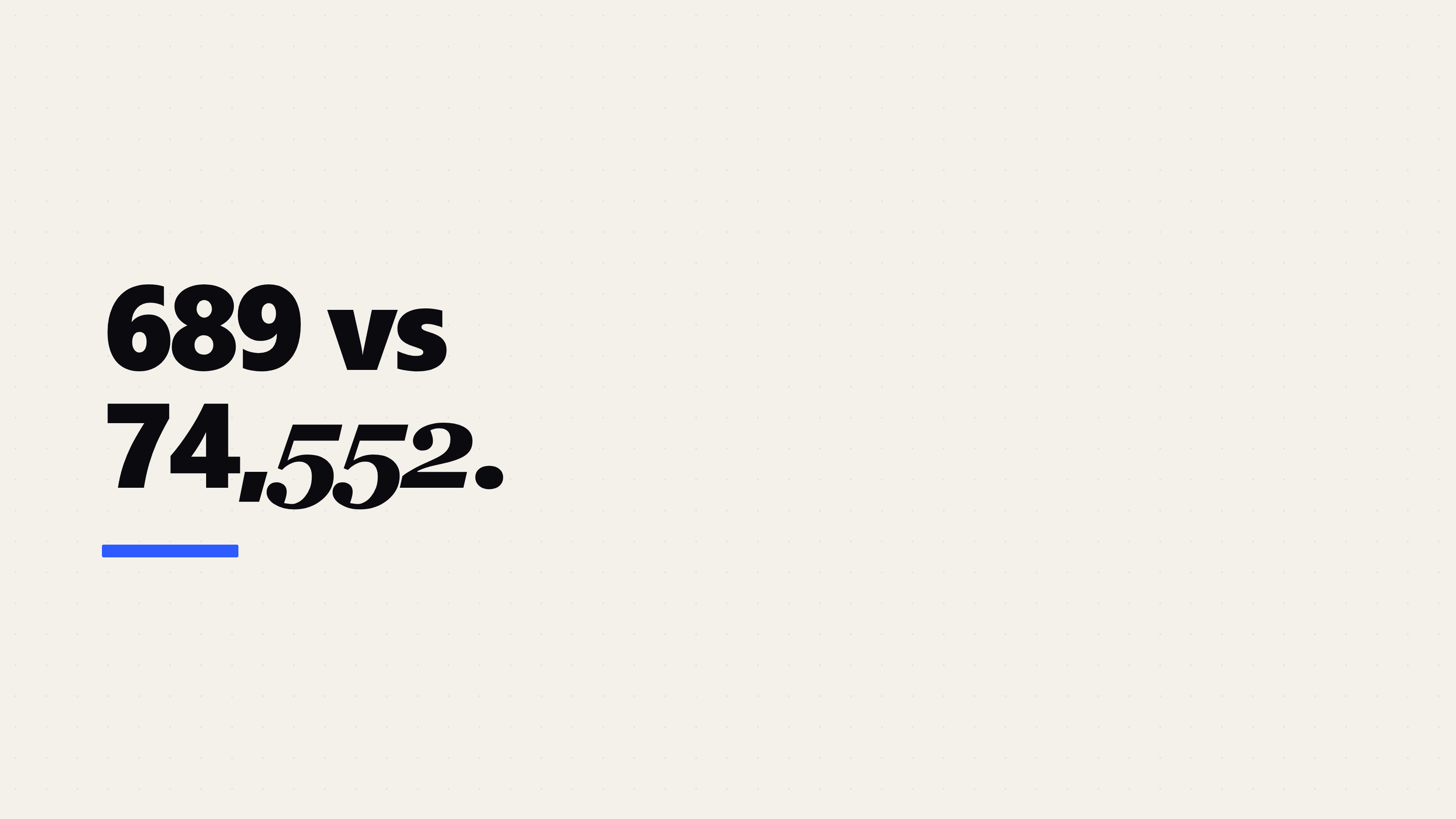
5.0x on pricethe same prompt at the same requested size cost $0.006025 on one vendor and $0.030000 on the other
and the cheaper one was bigger1,906,937 bytes against 1,438,205 between those two, so the price difference bought no more file. A third and cheaper vendor returned a 288 KB JPEG, so file size does not track price in either direction
the ranking flips at the MIDDLE tierthe flat-price vendor becomes 1.76x cheaper at the medium setting, not the high one. At high the token-billed vendor is about 7x DEARER, so the crossover is earlier and steeper than an earlier version of this page said
the dimensions were honestevery image across every size matched what was asked for on both runs, measured from the file header; note that a size of 4K resolves to a square 4096 rather than UHD, and that only one endpoint accepts that literal at all
$0.036two images, one prompt
Edit an image you already have
Say this to your agent
>edit <image> with openai on monid to <change>. expect the scene to be REGENERATED rather than the pixels preserved: the lighting and framing will shift even where the edit lands correctly, so compare the whole frame, not just the thing you named
What the agent runsdone
What came backone prompt, four sizes · 2026-09-25
what it didon a second image, asked to recolour a named object, it recoloured that object and added nothing. The regeneration is the reliable part: the lighting and framing moved even though the edit itself was correct
so the risk is drift, not substitutionan earlier version of this page said it adds a new object beside the one you named. That did not reproduce; what reproduced on both runs is that nothing outside the edit is preserved
what it costs$0.014262, which is 2.37x the price of generating a fresh image on the same vendor
so when is it worth itwhen the composition is what you want to keep; if the whole scene is going to be regenerated anyway, a new prompt is cheaper and more direct
the prompt rewrite next doorthe other vendor extends your prompt by default. It is a documented parameter and the response tells you whether a rewrite happened; what it withholds is the rewritten TEXT, so you know it changed and not how
$0.0142622.37x a fresh image
A real 3D mesh
Say this to your agent
>generate a 3d mesh of <subject> with suzanne on monid, asking for glb, obj and stl together in one job rather than one format at a time. do NOT pass the face count the schema prints as its default: that value is rejected upstream and you get a 400. download inside fifteen minutes, or re-mint the link from the download endpoint, which is free
What the agent runsdone
suzanne /text-to-3d$0.80
suzanne /photo-to-3dcatalog rateWhat came backone prompt, four sizes · 2026-09-25
What $0.80 and 151 seconds producedthe parsed GLB
triangles493,418
vertices262,710
embedded PBR textures3
it is realabout sixteen megabytes that parse as valid glTF 2.0, UV unwrapped, with exactly three embedded PBR textures, on both subjects tried, usable as it comes rather than as a starting point
the clock is shortnine hundred seconds on that link, confirmed in the payload, the tightest expiry in either aisle, so download inside the same run
all three formats come in one joban earlier version of this page said asking for OBJ or STL returns a 404, that no converter exists and that another format is another $0.80. All three are wrong: the outputs parameter takes glb, obj and stl together, the schema says outright that OBJ and STL are converted from the GLB, and one $0.80 run returned all three
and the expiry is not a deadlinethe download endpoint re-mints a fresh fifteen-minute link for $0.00, so a missed window costs a round trip rather than the job
the documented default is rejectedthe face-count parameter prints a default in its own schema that the provider refuses; the values it accepts are a short list well above it, so following inspect literally returns a 400
and it takes time151.4 seconds, which is long enough that a job runner needs to expect it rather than time out
$0.80one mesh, 151 seconds
A hundred images
Say this to your agent
>work out what a hundred images costs on each route at the tier i actually need, not at the cheapest tier. the ranking between vendors reverses between the low and the high setting
What the agent runsdone
alibaba /qwen-image$0.030
alibaba /qwen-image-plus · not run$0.030What came backone prompt, four sizes · 2026-09-25
A hundred imagesUS dollars
cheapest vendor$0.35
flat-price vendor, any size$3.00
top tier on the other$7.50
the range is wider than this page first measureda hundred images ran $0.35 at the cheapest vendor and about $21 at the dearest tier, against the $0.60 to $7.50 an earlier version quoted. The point is the span, not the endpoints: price the tier you actually need
where it crossesat the MIDDLE quality setting of the token-billed vendor. Below it the token-billed one is 5.0x cheaper; at medium the flat-price one is 1.76x cheaper; at high the token-billed one is about 7x dearer
the flat-rate bargainone vendor charges the same $0.030 whether you ask for 1024 square or 2048 square, so at large sizes it is the cheap option rather than the dear one
count the images you getasking for two returns one entry with both images inside a content array, so iterating the entries drops one you paid for
$0.00arithmetic on measured rates
What these two aisles cannot do
Say this to your agent
>before you design a pipeline, tell me what is genuinely missing and what merely needs a step: vector output and rigging are absent, transparency is a parameter on the image endpoints rather than a separate remover, and a generated image reaches the mesh generator by downloading it and putting it through the upload endpoint. check each one against the schema rather than against a capability search
What the agent runsdone
suzanne /photo-to-3dcatalog rate
suzanne /text-to-3d$0.80What came backone prompt, four sizes · 2026-09-25
the two aisles DO connect, for $0.015an earlier version of this page said there is no path from a generated image to a mesh. There is: an upload endpoint takes the file and hands back the id the photo-to-3D call wants, confirmed end to end with a generated PNG. The honest sentence is download and re-upload for a cent and a half, not that it cannot be done
and transparency is a parameterevery endpoint on one vendor takes a transparent background directly, so a separate background remover is not something this aisle is missing
what is genuinely absentvector output and rigging. There is no upscaler either, though one endpoint re-renders to 4K, which covers some of what a reader wants an upscaler for
and it is not PNG onlythirteen image endpoints rather than eleven, and one returns JPEG over a plain http url
what discover actually doesit scores about 0.79 for upscale and for remove background, and on a second look both of those hits can do the job asked of them, so the warning is to open the schema rather than that the results are junk
$0.00know the holes first